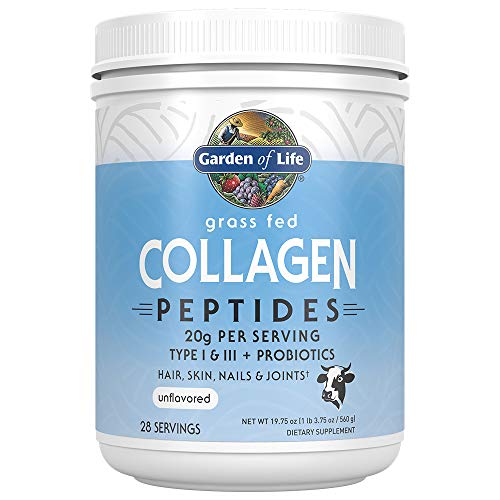
Vitamin C is a powerhouse nutrient when it comes to skin health. From brightening to firming, this essential vitamin can work wonders for your complexion. One of the key benefits of Vitamin C is its ability to boost collagen production. Collagen is a protein that helps maintain skin's firmness and elasticity, and Vitamin C plays a crucial role in its synthesis. By incorporating Vitamin C into your skincare routine, you can help promote a smoother and more youthful-looking complexion.
In addition to stimulating collagen production, Vitamin C is also a potent antioxidant. This means that it can help protect the skin from environmental damage, such as UV rays and pollution. Antioxidants work by neutralizing free radicals, which are unstable molecules that can cause oxidative stress and lead to premature aging. By incorporating Vitamin C into your skincare regimen, you can help shield your skin from these harmful effects and maintain a healthy, radiant glow.
Furthermore, Vitamin C has brightening properties that can help even out skin tone and reduce the appearance of dark spots and hyperpigmentation. This vitamin is known for its ability to inhibit melanin production, the pigment responsible for skin discoloration. By using Vitamin C regularly, you can help achieve a more luminous complexion and achieve a more even skin tone. Consider adding Vitamin C serum or moisturizer to your routine to experience the numerous benefits it has to offer for your skin.
Food Sources Rich in Vitamin C
Vitamin C, also known as ascorbic acid, is a powerful antioxidant that plays a crucial role in boosting our immune system and promoting overall health. It is water-soluble and cannot be stored in the body, which is why it is important to regularly consume foods rich in this essential nutrient. Here are some common foods that are excellent sources of vitamin C:
1. Citrus Fruits: Oranges, lemons, grapefruits, and limes are well-known for their high vitamin C content. These fruits not only provide a refreshing burst of flavor but also deliver a generous dose of this essential nutrient.
2. Bell Peppers: Bell peppers, especially the red variety, are packed with vitamin C. Adding these colorful veggies to your salads, stir-fries, or sandwiches is a tasty way to increase your daily intake of this important vitamin.
3. Kiwi: This small, fuzzy fruit is a powerhouse of vitamin C. Kiwis are not only delicious but also offer a variety of health benefits, including supporting your immune system and improving skin health.
Recommended Daily Intake of Vitamin C
Have you ever wondered why Vitamin C is often touted as a powerful and essential nutrient for our bodies? Well, wonder no more! Vitamin C, also known as ascorbic acid, is a water-soluble vitamin that plays a crucial role in maintaining overall health and well-being.
So, how much Vitamin C should you be consuming on a daily basis to reap its numerous benefits? According to experts, the recommended daily intake of Vitamin C for adults is around 75 to 90 milligrams per day. However, some individuals may require higher doses, especially if they smoke, are under stress, or have certain medical conditions.
Fortunately, Vitamin C can be easily obtained through a balanced diet rich in fruits and vegetables. Some excellent sources of Vitamin C include oranges, strawberries, kiwi, bell peppers, broccoli, and tomatoes. By incorporating these foods into your daily meals, you can boost your Vitamin C intake and support your immune system, skin health, and overall vitality.
Potential Risks of Vitamin C Deficiency
Vitamin C is an essential nutrient that plays a crucial role in maintaining our overall health. However, not getting enough of this vitamin can lead to potential risks and health issues. Vitamin C deficiency can weaken the immune system, making us more susceptible to infections and illnesses. It can also lead to slower wound healing and poor skin health, as vitamin C is necessary for collagen production.
Another potential risk of vitamin C deficiency is the development of scurvy, a disease caused by a severe lack of vitamin C in the diet. Symptoms of scurvy include fatigue, swollen and bleeding gums, joint pain, and poor wound healing. If left untreated, scurvy can lead to more serious complications such as anemia, jaundice, and even death.
In addition to these immediate health risks, long-term vitamin C deficiency can also increase the risk of chronic diseases such as heart disease, cancer, and diabetes. Vitamin C is a powerful antioxidant that helps protect our cells from damage caused by free radicals, which are linked to the development of these diseases. Ensuring an adequate intake of vitamin C through a balanced diet or supplements is crucial for maintaining good health and preventing these potential risks.